Off-Grid Communication in the mountains
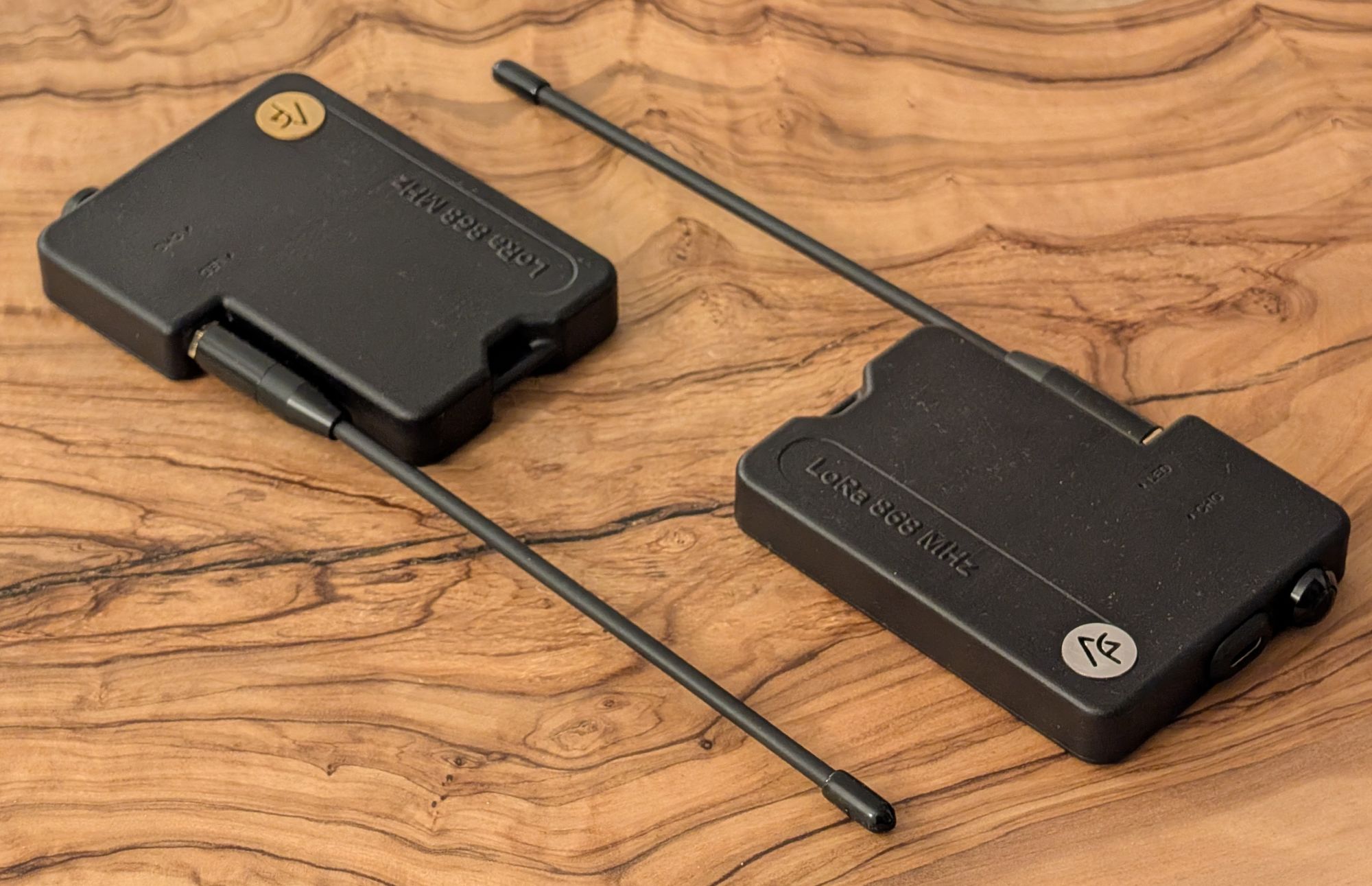
In this project, I designed and built a water resistant 3D printed enclosure for a Heltec T114 Meshtastic node. The enclosure is rugged, lightweight, and purpose-built for field use.
Design
The enclosure needed to meet several key requirements:
- Water resistance
- Compact, handheld size
- Convenient access to buttons and charging port
- Durability against drops and rough handling
- Cost-effectiveness
I selected the Heltec T114 Meshtastic Node, which features an nRF5840-based LoRa module. Since I plan to pair it with a phone, battery life was prioritized over having a built-in screen. The Seeed Studio XIAO nRF52840 was also considered, but its charging circuit supports lower current.
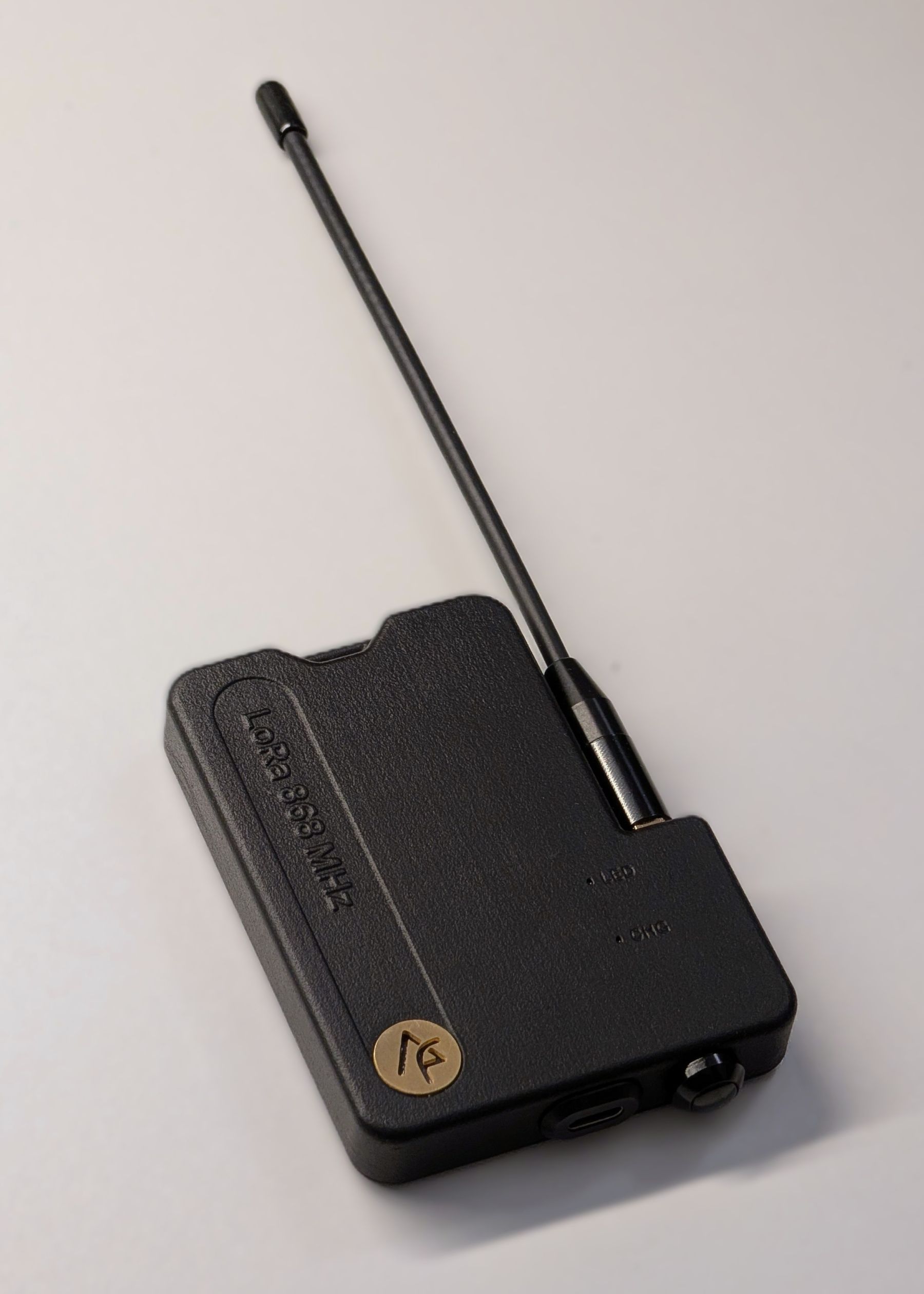
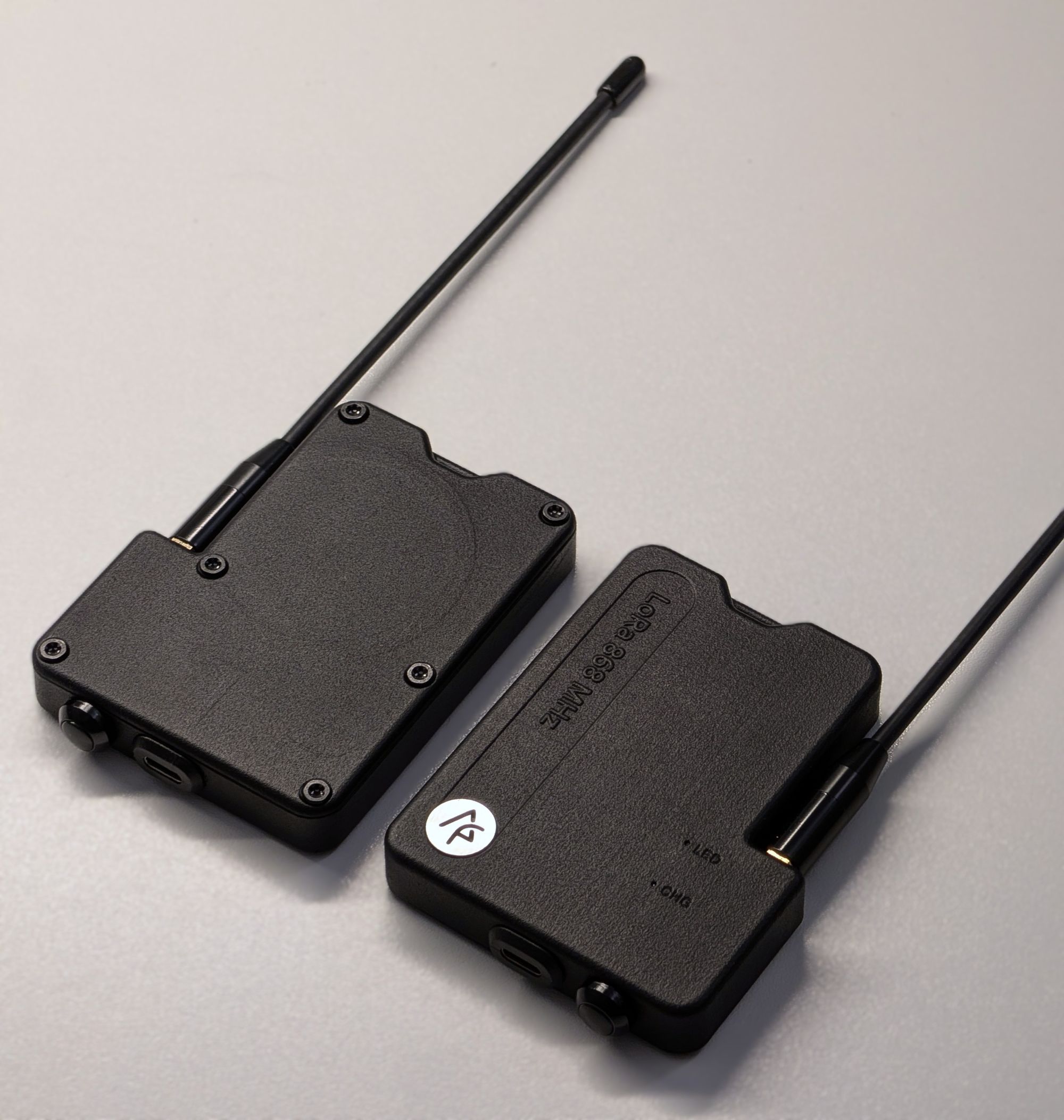
The enclosure is made up of two main parts: a body that houses the electronics and battery, and a detachable lid with a recess for MagSafe magnets. Both components are 3D printed in MJF PA12S nylon for added strength. After printing, all surfaces were treated with a waterproof sealant. Assembly uses screws and a silicone gasket to ensure a watertight fit. Both the user button and USB port are designed to be waterproof.
While the silicone gasket improves water resistance, I do not recommend submerging the device. It offers better moisture protection than many other Meshtastic devices and should withstand rain or splashes, but it is not fully waterproof.
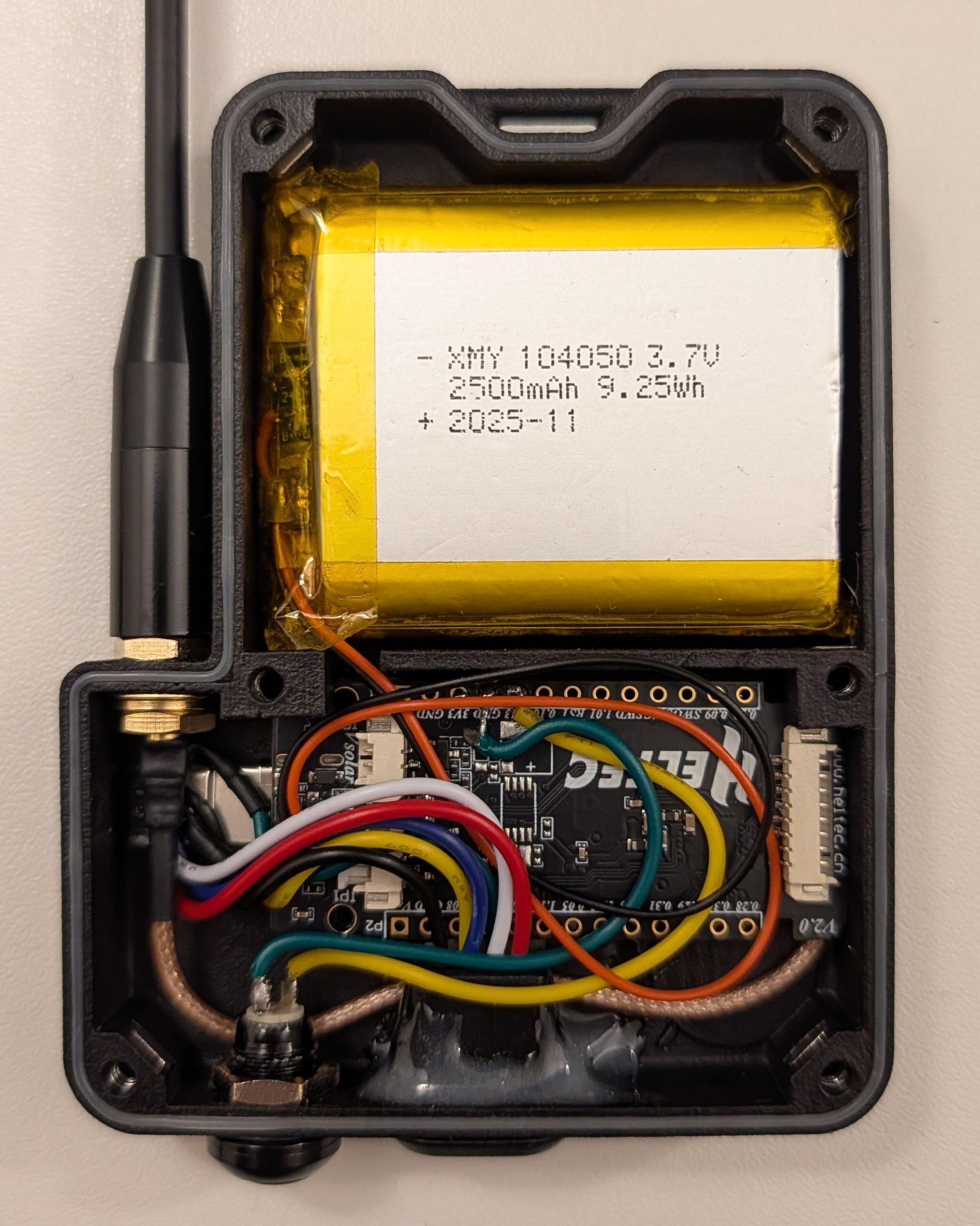
The inside of the node
Usage and Performance
The finished enclosure weighs approximately 150g and provides solid protection for the device. With a 2500 mAh battery and the efficient nRF chip, the node can run for several days on a single charge. The external 10 dBi antenna should deliver excellent range for off-grid communication. To distinguish between two nodes, I added a gold-plated metal brooch. I look forward to testing the device on my next mountain hike.